Cheapest Countries To Visit In Europe On A Two Week Tour
The cheapest countries to visit in Europe are not a mystery: they sit east and south of the Alps, and the packages that reach them cost less than the ones that loop through Switzerland and Paris. Here is what the 21 verified listings on this site actually charge.
Short answer
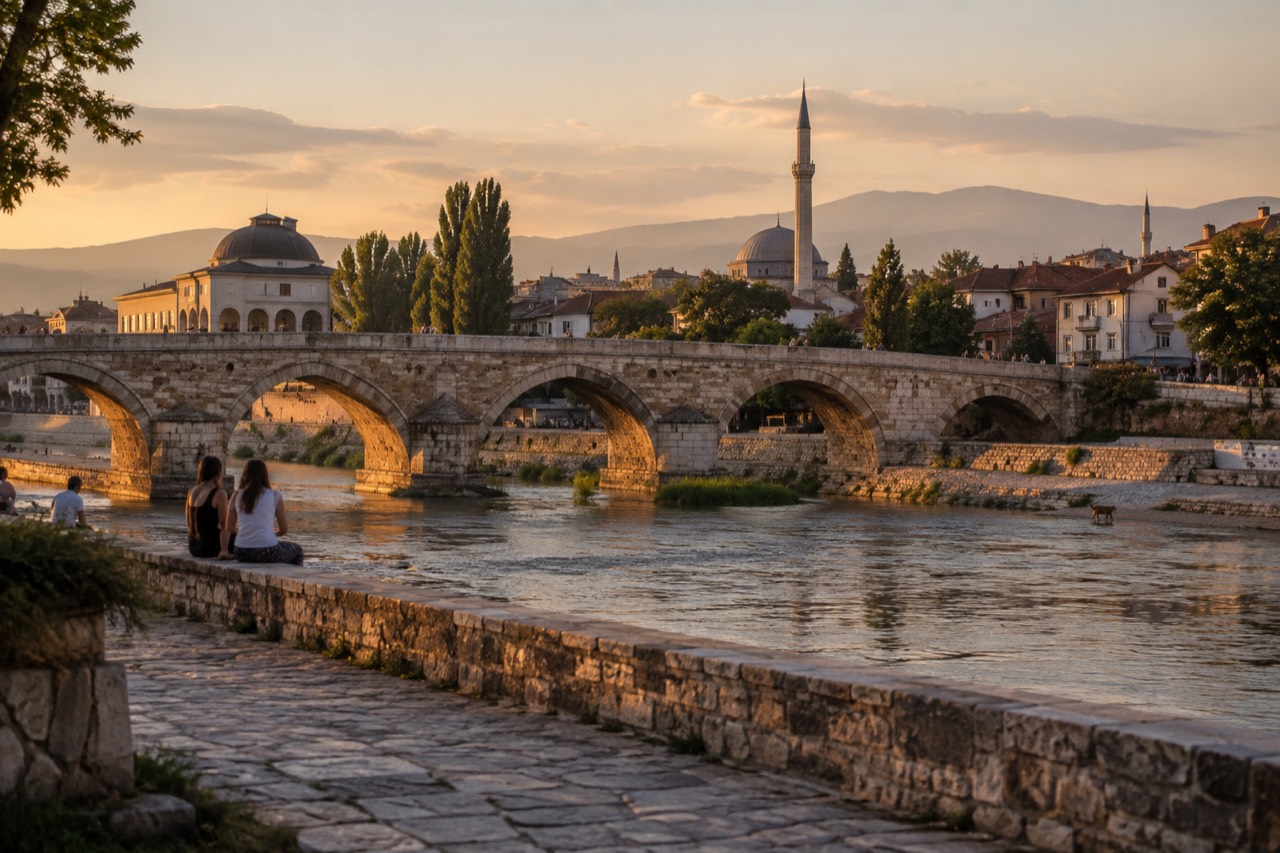
Across the 21 verified packages on this site, prices run from $2,110 to $5,265 per person, a land-only figure. The cheapest itineraries reach Eastern Europe and the Balkans, from $2,249 for a 14 day Eastern Europe tour and from $2,517 for a 14 day Balkan loop, while Alpine and premium Western Europe packages run $5,000 or more.
Europe's cheapest countries cluster in two places: the old Habsburg and Ottoman lands east of Vienna, and the Balkan coast and its mountains south of Hungary. That is a supply fact as much as a travel fact. The 21 verified multi-country packages on this site, the ones running 12 to 16 days, price their Eastern Europe and Balkan itineraries from $2,249 and $2,517 per person respectively, while the premium Alpine and Western Europe classics run to $5,085 and $5,265. The gap is not small. It is roughly the cost of the long-haul flight itself.
Published tour prices run from $2110.29 to $5265 per person. Every price below is a real, verified land-only figure from a bookable package, and where a number does not exist in the verified data, it says so. If you want the full picture of what a package does and does not cover, the companion page on what is included in a Europe tour package breaks down the inclusion blocks line by line.
What Are The Cheapest Countries To Visit In Europe?
The cheapest countries to visit in Europe on a two week escorted trip are Hungary, Serbia, Bulgaria, the Balkan states and the Central European belt, because the tours reaching them cost hundreds of dollars below the Western classics. The cheapest verified package on this site, from $2,110.29 per person, departs Madrid and sweeps through Spain, France, Italy, Germany and Austria, which shows operator pricing, not just geography, sets the bill.
The honest answer has two layers. The first is the country itself: what a coffee, a hotel night or a museum ticket costs once you are standing in it. This site holds no verified per-city spending data, so no daily budget figure will be invented here. The second layer is the package layer, and that is where the data is rich. Operators price whole regions, and the region pricing is visible in the roster.
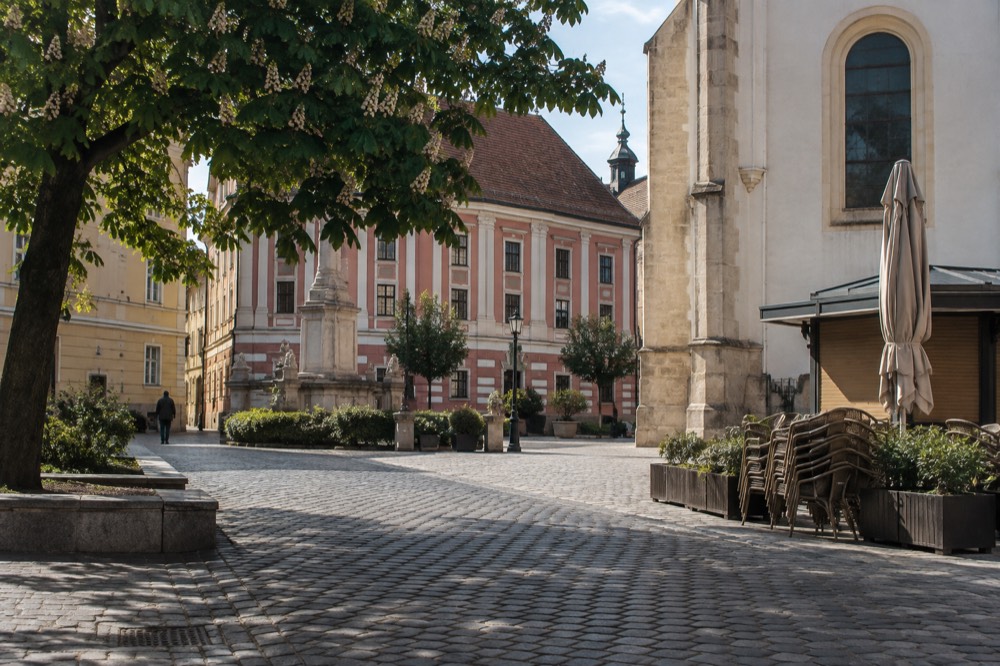
The pattern across the 21 listings is consistent. The Balkans and the Adriatic group of five packages runs from $2,517 to $5,242 per person. The Central and Eastern Europe group of three runs from $2,249 to $4,025. The Western Europe classics, eight packages, run from $2,110.29 at the budget end to $5,085 at the premium end, because that group contains both the cheapest coach fare on the site and the most expensive alpine country-roads itinerary. Scandinavia, famously not cheap, runs $2,325 to $5,265.
So the cheapest "countries" depend on how you travel. On an escorted package, the cheapest countries are the ones the budget operators have built itineraries around, and those are Serbia, Bulgaria, North Macedonia, Albania, Montenegro, Bosnia and Herzegovina, Hungary, and the Central European capitals. For a wider look at the destinations themselves, the guide to the best European countries to visit weighs them on their own merits.
Which European Countries Cost The Least On A Two Week Package?
On the package evidence, Eastern Europe and the Balkans are the cheapest regions: the 14 day Best of Eastern Europe runs from $2,249 per person, the 14 day Balkan Experience from $2,517, and the 15 day Central and Eastern Europe Explorer from $2,585. Per day, the cheapest listing works out at $151 for accommodation, some meals and internal transport, against $437 a day at the premium Alpine end.
Cost per day is the fairest comparison the roster allows, because the trips run 12 to 16 days and the headline prices are not directly comparable. The maths across the 21 packages puts the cheapest at $151 per person per day and the most expensive at $437, with ten of the 21 sitting between $150 and $230 a day. That band is where the value lives, and every listing in it reaches the cheaper half of the continent.
| Package | Region | Days | From price per person |
|---|---|---|---|
| From Madrid: 14 Day Trip by Paris, Venice, Rome and more | Western classics | 14 | $2,110.29 |
| 14 day Taste of Europe Tour | Western classics | 14 | $2,238.12 |
| The Best of Eastern Europe | Central and Eastern Europe | 14 | $2,249 |
| Best of Scandinavia (Summer) | Scandinavia and Baltics | 12 | $2,325 |
| Balkan Experience (Belgrade round trip) | Balkans and Adriatic | 14 | $2,517 |
| Central and Eastern Europe Explorer | Central and Eastern Europe | 15 | $2,585 |
| Country Roads of Bavaria, Switzerland and Austria | Western classics | 12 | $5,085 |
| Scenic Scandinavia and its Fjords | Scandinavia and Baltics | 14 | $5,265 |
The Madrid departure coach trip and the Taste of Europe tour are the two cheapest listings on the site, and both are budget-fare Western loops rather than Eastern itineraries. That is worth pausing on. A budget operator running big coaches through expensive countries can undercut a premium operator running small groups through cheap ones, because group size, hotel tier and inclusions move the price as much as geography does. Neither of those two listings publishes a departure calendar, so check the live listing for dates.
The three packages above bracket the budget question from different angles: a well-reviewed Western classics loop, the cheapest multi-country itinerary on the site, and a premium Central Europe trip for contrast. None of the three includes flights, which is true of all 21 listings on this site.
How Do Package Prices Compare Across The Cheaper Regions?
The Balkans and the Adriatic group spans $2,517 to $5,242 per person across five packages, Central and Eastern Europe spans $2,249 to $4,025 across three, and the two overlap heavily in the middle. The difference inside each region is the travel style: joined coach groups sit at the bottom, small-group and semi-private departures sit at the top, with the semi-private Athens to Sarajevo tour at $3,784 for a maximum of 10 travellers.
Region tells you less than format. Within the Balkans group, the 14 day Belgrade round trip coach package costs from $2,517 while the small-group Balkan Essentials, 12 days, costs from $5,242, more than double for two fewer days. The premium is buying the small-group format, not better countries. The same countries appear on both itineraries.
| Balkans and Adriatic packages | Days | Rating and reviews | From price per person |
|---|---|---|---|
| Balkan Experience: Serbia, Bulgaria, North Macedonia, Albania, Montenegro, Croatia and Bosnia and Herzegovina | 14 | 4.5 across 41 reviews | $2,517 |
| Balkan Explorer (Athens round trip) | 16 | 4.2 across 46 reviews | $2,665 |
| Small Group: Balkan Essentials in 12 days | 12 | 4.8 across 27 reviews | $5,242 |
| Athens to Sarajevo and Belgrade, semi-private | 14 | 5 across 22 reviews | $3,784 |
| Small Group: Balkan Extended, Budapest to Dubrovnik | 15 | 4.9 across 14 reviews | $4,957 |
The Eastern Europe group tells the same story more cheaply. The Best of Eastern Europe, a 14 day budget fare at $2,249, carries a 4.4 rating across 58 reviews, the deepest review pool in its group. The premium Best of Central Europe, 15 days and 15 destinations, costs from $4,025 with a 4.5 rating across 18 reviews. The Central and Eastern Europe Explorer splits the difference at $2,585 for 15 days, with a 4.9 rating across 7 reviews, a small pool reported honestly rather than dressed up.
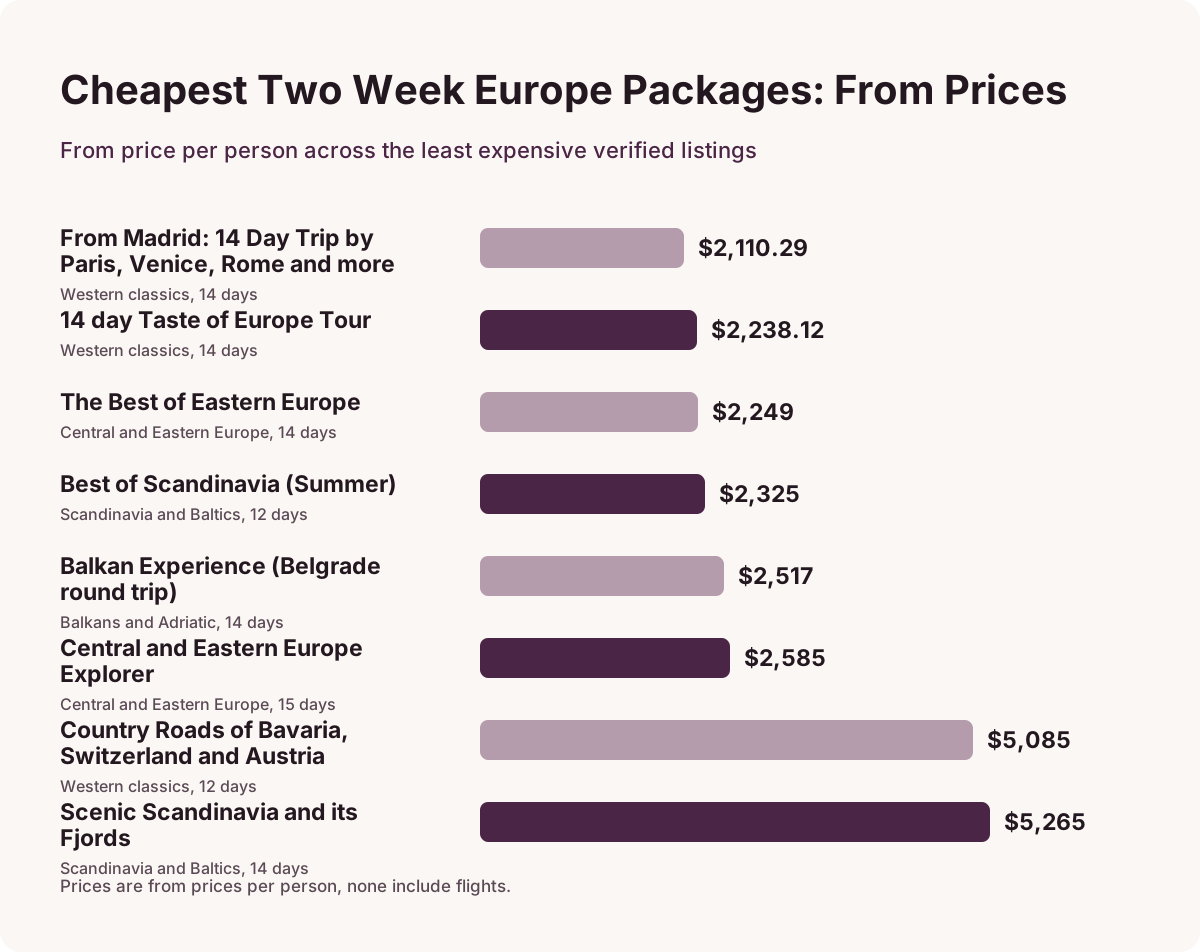
The Europe Jewel, a 14 day Amsterdam round trip through the Western classics, is the site's related pick for this page because it shows the budget end of the expensive half of Europe: from $2,835 per person with a 4.5 rating across 405 reviews, one of the deeper review pools on the roster. It reaches the Netherlands, Germany, Switzerland, Italy and France, the countries that appear most often across all 21 itineraries, at a price well under the premium Western listings.
Which Budget Tours Reach The Cheapest Countries?
The cheapest countries are reached by four of the five least expensive listings on the site: the Madrid departure 14 day coach trip from $2,110.29, the 14 day Taste of Europe from $2,238.12, the 14 day Best of Eastern Europe from $2,249 and the 14 day Balkan Experience from $2,517, which adds Serbia, Bulgaria, North Macedonia, Albania, Montenegro, Croatia and Bosnia and Herzegovina in one loop.
The Eastern Europe packages concentrate on the countries where ground costs are lowest: Hungary, and the belt of countries around it. The Best of Eastern Europe is the budget fare of that group and the second cheapest way to reach the region on an organised itinerary. Its 58 reviews make it the most-reviewed budget Eastern Europe listing on this site, though the pool is still modest and should be read as such.
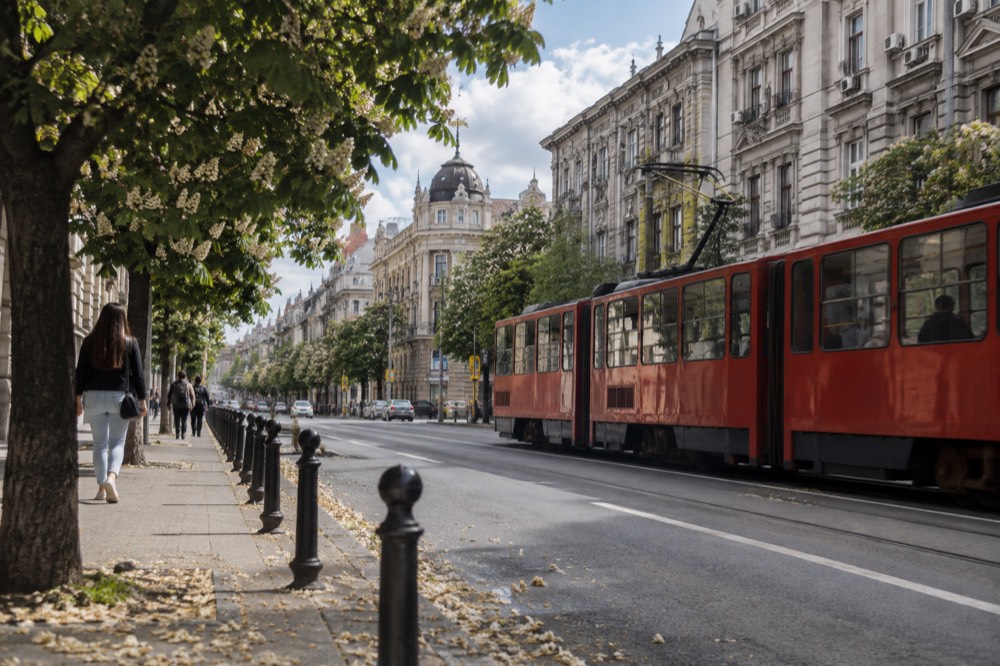
The Balkan Experience is the standout for country count per dollar. Fourteen days, from $2,517, and seven countries confirmed on the listing: Serbia, Bulgaria, North Macedonia, Albania, Montenegro, Croatia and Bosnia and Herzegovina. That is a 14 day trip that crosses more borders than any Western classic at the same price. Its 4.5 rating across 41 reviews is solid for the group.
The Central and Eastern Europe Explorer, 15 days from Munich, costs from $2,585 and carries a 4.9 rating across 7 reviews. That rating comes from a small pool, so treat it as an early signal rather than a verdict. What is not in doubt is the price: $2,585 for a two week plus loop through Central and Eastern Europe, in the same value territory as the budget listings at the bottom of the roster.
For readers comparing the Eastern region against the classic Western loops in detail, the Eastern Europe tour packages guide does that comparison at full length, itinerary by itinerary.
What Drives The Cost Of A Country On An Escorted Tour?
Three things drive cost more than the country itself: the hotel tier the operator contracts, the group format, and what the headline price leaves out. All 21 packages on this site include accommodation for every night on 19 of 21 listings, 19 of 21 include some meals but never all meals, and every single one leaves the international flight, optional excursions and many entrance fees as extra costs the traveller pays separately.
The headline price is a floor, not a ceiling. The pattern across the roster is that the land package covers the bed, the coach seat between countries and some meals, while dinners, optional excursions and sightseeing entrance fees are paid on the ground. The companion guide to optional excursions and hidden costs on Europe tours itemises where those add-ons typically sit, and it matters more on a cheap-country itinerary than an expensive one, because the add-ons can exceed the daily package rate.
This is why "cheapest country" is the wrong question half the time. A $2,249 Eastern Europe package with generous free time can cost more in total than a $2,835 Western package that bundles more sightseeing, if the traveller buys every excursion. No verified figure exists on this site for average excursion spend, and none will be invented. What the listings do confirm is the structure: some meals, never all; internal transport included on 19 of 21; flights on none. Other pages covering the same trip are gathered on 14 Days Europe Tour Packages.
The single supplement is the other quiet cost, and again no verified figure exists for any of the 21 products. It is a real cost and it is explained as a concept, with no invented number, in the guide to single supplements and solo pricing on Europe tours. Solo travellers comparing a cheap country against an expensive one should check the operator's own booking terms for the supplement before assuming the cheaper region wins.
Where Do The Cheapest Countries Sit Outside The Schengen Area?
Most of the cheapest countries on these itineraries are outside the Schengen area: Serbia, Bosnia and Herzegovina, Montenegro, Albania and North Macedonia are all non-Schengen, while Croatia, Bulgaria and Romania are inside, with Bulgaria and Romania having joined on 1 January 2025. A Balkans loop that dips in and out of Croatia therefore crosses an external Schengen border more than once, and EES registration can happen more than once on a single trip.
This matters at the border, not just on a map. The EU's Entry/Exit System has been fully operational at every external border crossing point since 10 April 2026, and manual passport stamping for short stays ended on that date, per the official EES pages. On a Balkan itinerary, the first crossing into Croatia registers your photo and fingerprints, and each subsequent re-entry does the same checks again. There is no fee for EES registration, and the digital record is valid for three years.
| Country on the cheap itineraries | In Schengen? | Notes for a 14 day trip |
|---|---|---|
| Hungary | Yes | Days here count against the 90/180 allowance |
| Croatia | Yes | External Schengen border from the Balkan side |
| Bulgaria | Yes | Joined 1 January 2025 |
| Romania | Yes | Joined 1 January 2025 |
| Serbia | No | Its own entry rules; days do not consume the Schengen allowance |
| Bosnia and Herzegovina | No | Its own entry rules |
| Montenegro | No | Its own entry rules |
| Albania | No | Its own entry rules |
| North Macedonia | No | Its own entry rules |
The official Commission page on the Schengen area and its 29 members is the reference for the list above. The practical consequence for a 12 to 16 day tour is comfort: even a trip that spends every night inside Schengen uses only 12 to 16 of the 90 days allowed in any 180-day period. The rolling 180-day window is set out in the Schengen Borders Code itself, and travellers who were in Schengen countries in the previous six months are the only ones who need to do the arithmetic.
ETIAS is the other entry question, and the honest status is that it is not in operation and no applications are being collected. The EU expects it in the last quarter of 2026, with the specific date to be announced later by the European Commission. When it does start, it will cost EUR 20 and cover 30 European countries, the 29 Schengen members plus Cyprus. The full picture, including the UK ETA for London legs, is in the guide to ETIAS and Schengen rules for a 14 day Europe trip.
When Do Tours To The Cheaper Countries Actually Depart?
September is the deepest departure month on the roster, with 14 of the 21 packages offering a departure, followed by May with 14 as well and October with 10. February appears on none of the 21 departure calendars, and January offers just one, so a traveller fixed on the depths of winter has almost no supply to choose from regardless of country.
These are supply facts, not price facts. No verified source prices these packages by month, so no claim will be made here that any month is cheaper to buy. What the calendars do show is choice: a September traveller can pick from two thirds of the roster, while a February traveller cannot book any of the 21 at all.
| Month | Packages offering a departure |
|---|---|
| January | 1 |
| February | 0 |
| March | 6 |
| April | 13 |
| May | 14 |
| June | 12 |
| July | 6 |
| August | 3 |
| September | 14 |
| October | 10 |
| November | 2 |
| December | 3 |
Two listings, the Madrid departure coach trip and the 14 day Taste of Europe, publish no departure calendar at all, so they cannot be placed in any month. The Balkan itineraries tend to favour the shoulder months, which suits the region: the coast is the draw, and the coast is busiest when the Western classics are too. For the seasonality question in full, including what the calendars mean for planning, see the best time of year for a 14 day Europe tour.
How Do You Pick A Package That Reaches The Countries You Want?
Read the confirmed stops, not the headline: a listing only counts a country here if the itinerary confirms a stop in it, and conditional stops appear on the operator's page as options. Then check the cost per day against the $150 to $230 value band, the review pool beside the rating, and the operator's own booking conditions on insurance and passports, because those contractual terms differ sharply between operators and can rule a trip out entirely.
The review-pool point deserves emphasis because this site reports it honestly. Only 8 of the 21 packages carry more than 50 reviews. The most-reviewed product has 878. A 4.9 from 7 reviews is a real rating from seven people, and a package with no reviews at all, like the Madrid departure coach trip, is genuinely new and should be chosen on its itinerary and price, not on social proof that does not exist yet.
Insurance is the clearest example of terms mattering more than geography. Travel insurance is not a legal Schengen entry condition for visa-free visitors, but Intrepid makes it mandatory with proof on day one, Expat Explore makes it a condition of booking, and Contiki only recommends it. Booking a cheap Balkan itinerary without reading the operator's clause on insurance can end with a traveller not being permitted to embark on day one, which is a costly way to learn the difference between a law and a contract.
Passports follow the same pattern. Schengen law asks for three months of validity beyond departure and issue within the last ten years, but Contiki and Intrepid both contractually require six months beyond the return date. Six months beyond return is the safe number for any package on this site, and the details are in the guide to passport validity rules for Europe tours.
How Does A Cheap Country Itinerary Compare With A Cheap Package Overall?
The cheapest package on the site, from $2,110.29, is a Western Europe coach loop, not an Eastern one, which means travellers should separate the two questions: the cheapest countries to visit on the ground, and the cheapest way to see Europe on an organised tour. The budget Western fares deliver expensive countries at low package prices by using large joined coaches and budget hotel tiers, while the Eastern packages deliver cheap countries with more moderate pricing.
Neither answer is wrong. A traveller who wants to stand in St Mark's Square, beside the Eiffel Tower and on a Swiss mountain can do all three on one of the two cheapest land packages on this site if they accept the budget format. A traveller who wants their money to go furthest on the ground, in restaurants and shops and taxis, gets more of it back in Belgrade, Sofia or Sarajevo than in Venice or Interlaken. The two cheapest listings prove the first point; the cost-per-day band proves the second.
The Europe Jewel sits at the meeting point of the two arguments. It is a 14 day Amsterdam round trip through the classic Western countries, from $2,835 per person, with a 4.5 rating across 405 reviews, the second deepest pool on the roster. It is not the cheapest way to see Europe, but it is the cheapest well-reviewed way to see the countries most first-time visitors actually name, and it costs less per day than several Eastern listings once its 14 days are counted. The full Europe Jewel itinerary confirms the stops it makes and the ones it passes.
For the budget end of the whole market, including how the cheapest listings compare on inclusions and pacing, the cheap Europe tour packages guide is the dedicated comparison, and it is the right next stop for anyone whose decision starts with a number.
Common Questions About The Cheapest Countries To Visit In Europe
What Are The Cheapest Countries To Visit In Europe?
On the package evidence, the cheapest countries are Serbia, Bulgaria, North Macedonia, Albania, Montenegro, Bosnia and Herzegovina and Hungary, the countries reached by the Balkan and Eastern Europe itineraries, which run from $2,249 to $2,666 per person for the standard group tours. The cheapest single package on the site, from $2,110.29, is a budget Western loop, so operator format matters as much as geography.
Is Eastern Europe Cheaper Than Western Europe On A Tour?
Generally yes on the standard group listings: the 14 day Best of Eastern Europe runs from $2,249 and the 14 day Balkan Experience from $2,517, while comparable Western classics run from $2,715 to $5,085. The exceptions are the two budget Western coach fares, from $2,110.29 and $2,238.12, which undercut everything by using large joined groups and budget hotel tiers.
Do The Cheap Balkan Countries Need Extra Visas?
US, Canadian, Australian and British passport holders need no visa for a short stay in the Schengen area, and the non-Schengen Balkan countries on these itineraries, Serbia, Bosnia and Herzegovina, Montenegro, Albania and North Macedonia, apply their own visa-free entry rules to the same passports. Croatia, Bulgaria and Romania are inside Schengen since 1 January 2025 for the latter two. ETIAS is not yet in operation and no applications are being collected.
What Is The Cheapest Month To Book One Of These Tours?
No verified source prices these packages by month, so no cheapest month can honestly be named. What the calendars show is supply: September and May are the deepest months with 14 of the 21 packages offering departures each, and February offers none. A thin month costs a buyer choice, not a verified discount.
Are The Cheap Packages Still Good Quality?
Quality is best read from the review pools, reported with their counts. The Best of Eastern Europe carries 4.4 across 58 reviews, the Balkan Experience 4.5 across 41, and the Central and Eastern Europe Explorer 4.9 across 7, a small pool treated as an early signal. The Madrid departure coach trip has no reviews yet because it is genuinely new, and that is stated rather than smoothed over.
Does A Cheaper Country Mean A Cheaper Trip Overall?
Not automatically. The headline price is a floor: 19 of the 21 packages include some meals but never all, optional excursions and entrance fees are paid on the ground, and no verified excursion spend figure exists to promise savings. A cheap-country itinerary with heavy free time can cost more in total than a bundled Western package, so compare the inclusion blocks, not just the country list.