Where Not To Go In Europe Right Now?
An honest look at which European destinations deserve caution right now, what official sources actually say, and how entry rules, departure calendars and tour listings should shape a two week trip.
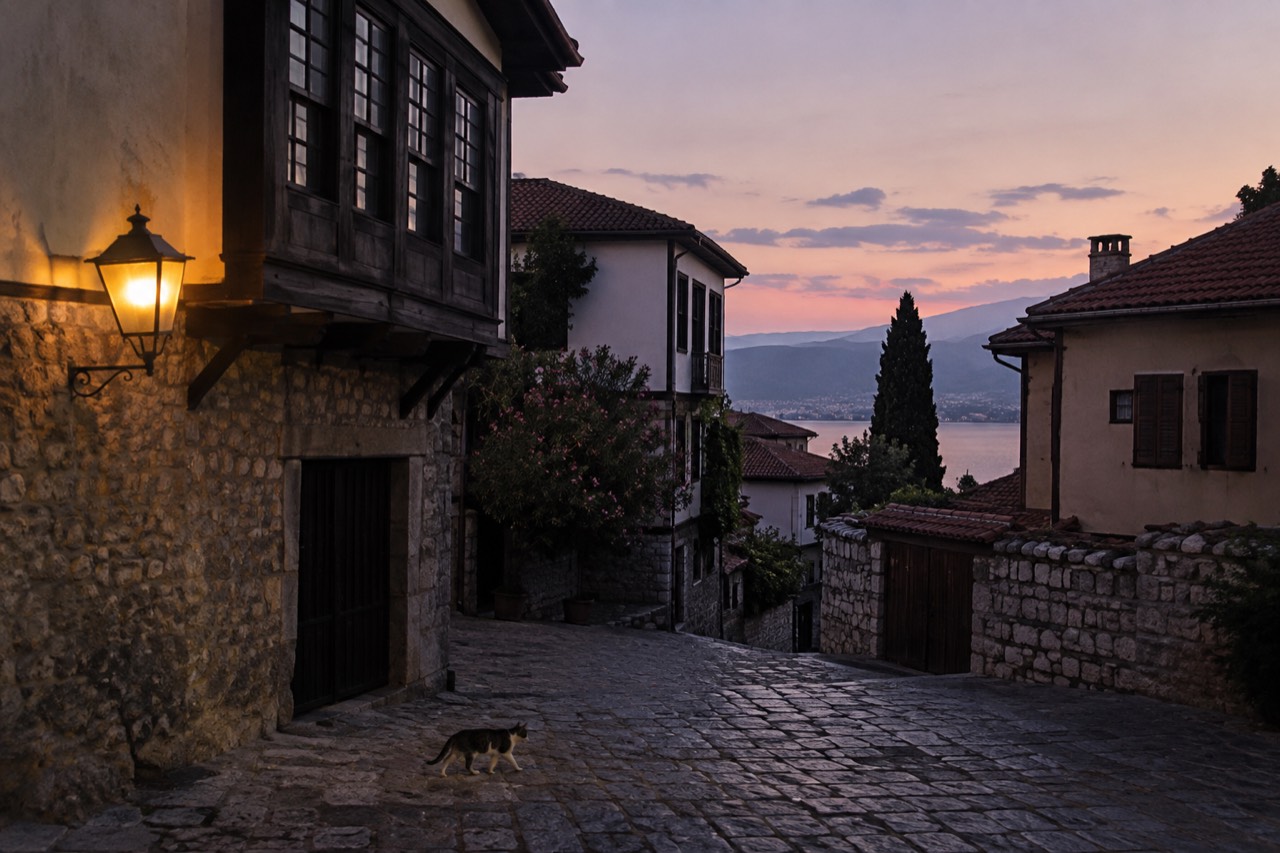
Where Not To Go In Europe Right Now?
No country reached by the 21 verified multi-country packages on this site carries a blanket do-not-travel warning from the UK, US or EU authorities, so an honest avoidance list is short and mostly about preparation rather than prohibition. The destinations that cause real problems on a 12 to 16 day trip are the ones where entry rules, border friction or seasonal timing bite hardest, and those are all checkable before you pay a deposit.
"Where not to go" questions usually expect a list of danger zones, and most articles answer with vague warnings that cannot be checked against anything. This site takes a different approach. Every package listed here is a real, currently bookable product with a verified price, and every entry-rule fact below comes from the EU's own pages, the UK Foreign Office or an operator's published booking conditions. Where a claim cannot be sourced, it is not made.
What the sources do support is a set of practical cautions. A Balkans loop crosses in and out of the Schengen area more than once, which means more border stops and more biometric registration. February appears on none of the 21 departure calendars, so a winter traveller shopping from this roster has almost no choice. And one listing is genuinely new, the Madrid coach trip, with no reviews at all, which is a different kind of risk: not danger, but an unproven operation. Those are the real "where not to go" answers, and the rest of this article works through them properly.
For travellers who want the border paperwork handled end to end, an escorted route is the simplest answer, and the three packages below span the main formats: a classic western loop, a shorter budget option and a small-group Balkans alternative.
Which European Countries Sit Outside The Schengen Area?
The Schengen area counts 29 countries, and several places common on two week itineraries sit outside it: the United Kingdom, Ireland, Serbia, Bosnia and Herzegovina, Montenegro, Albania, North Macedonia and Kosovo. Croatia, Bulgaria and Romania are all inside, having joined fully by 1 January 2025, so old articles placing them outside Schengen are simply wrong and worth ignoring.
The distinction matters for two reasons. First, days spent outside Schengen do not consume the 90-day allowance in any 180-day period, which is irrelevant on a 14 day tour but useful context. Second, every crossing between a Schengen and a non-Schengen country is an external border, and external borders are where the EU's Entry/Exit System operates. The system has been fully operational at every external border crossing point since 10 April 2026, and manual passport stamping for short stays ended on that date. A Balkans itinerary that dips in and out of Croatia therefore registers biometrics more than once on a single trip, which means more time at each crossing.
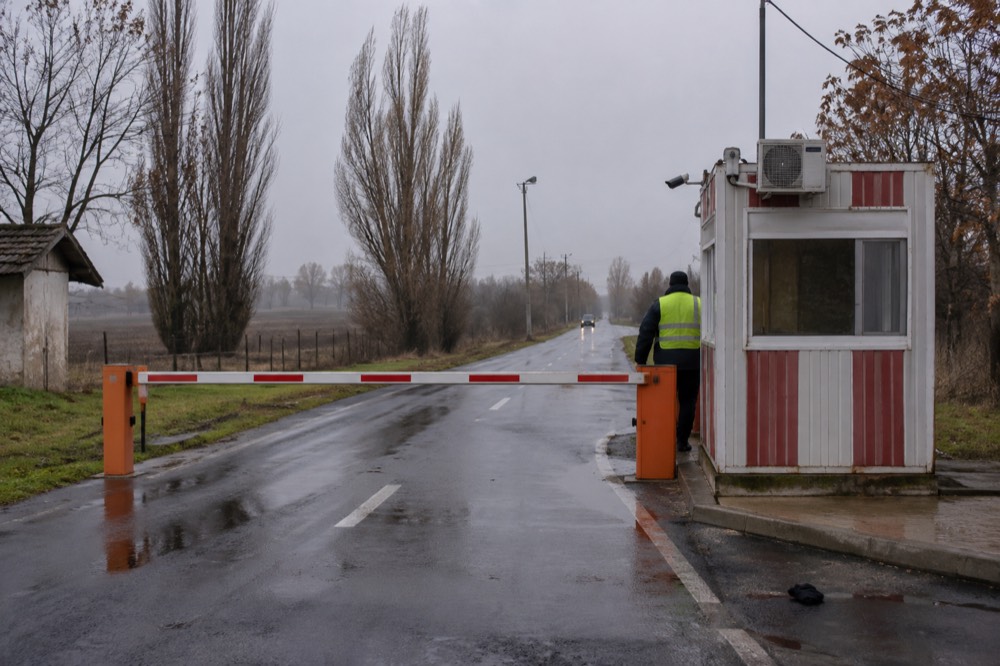
This is not a reason to avoid the Balkans. The region carries five of the 21 packages on this site, including one of the best rated: the semi-private Athens to Sarajevo and Belgrade tour holds 5.0 across 22 reviews. It is a reason to expect border waits and to build them into your expectations, exactly as the UK Foreign Office advises when it says to "be prepared to wait longer than usual at the border".
| Itinerary country | In Schengen? | What it means for a tour traveller |
|---|---|---|
| Croatia | Yes | Internal borders with Slovenia and Hungary, external border with Bosnia and Herzegovina |
| Bulgaria | Yes, since 1 January 2025 | Internal borders with Romania and Greece |
| Romania | Yes, since 1 January 2025 | Internal borders with Hungary and Bulgaria |
| United Kingdom | No | Separate entry rules, UK ETA applies to most visa-exempt visitors |
| Ireland | No, opt-out | Own visa and border policies, passports still stamped manually |
| Serbia | No | External Schengen border with Hungary, own entry rules |
| Bosnia and Herzegovina | No | External Schengen border with Croatia |
| Montenegro, Albania, North Macedonia, Kosovo | No | External borders, own entry rules |
The official list of Schengen countries is published by the European Commission, and it is the only list worth checking against: the Commission's Schengen area page. If an article you are reading places Croatia, Bulgaria or Romania outside Schengen, it was written before 2025 and its other claims deserve the same scepticism. Our guide to ETIAS and Schengen rules for a 14 day trip covers the border mechanics in more depth.
For travellers who would rather someone else handle the crossings, a western classics route keeps nearly every border internal.
What Do Official Travel Advisories Actually Say?
Official advisories from the UK Foreign Office and the US State Department do not currently name any mainstream European tour destination as a do-not-travel zone, and both systems grade risk by region and event rather than by country-wide ban. The honest reading is that no place on a standard escorted itinerary is "off limits", and the advisories exist to flag specific local risks, border delays and event-related disruption instead.
This site does not publish its own safety assessments, and it will not pretend otherwise. What it can do is point you to the primary sources. The UK Foreign Office maintains country-by-country travel advice, and its France entry requirements page is a good model of what official guidance actually covers: passport rules, border procedures, insurance that a border guard may ask to see, and onward-ticket proof. Read it here: FCDO travel advice for France. The same structure exists for every country a tour touches.
One caution that the advisories themselves support: a border guard at French or Italian control may ask a visa-free arrival to show proof of travel insurance, proof of accommodation and a return or onward ticket. None of that is a legal entry condition for US, Canadian, Australian or British passport holders on a short stay, but being asked is legal, and an escorted tour solves the accommodation and onward-ticket parts of it automatically. The insurance part depends on your operator, which is the next thing to check before you let anyone take your deposit.
Which Places On A Two Week Itinerary Deserve More Caution?
The places that deserve extra planning on this roster are not dangerous places, they are structurally demanding ones: multi-crossing Balkan loops, point-to-point routes that finish far from where they start, and brand-new listings with no review history. Each is bookable and legitimate, but each asks more of the traveller than a round-trip western classics route does.
Consider the shape of an itinerary before the countries in it. Eight of the 21 packages start and finish in the same city; the rest are point-to-point or do not state an end city, which means a different flight home and sometimes a different airport country. That is a real cost and a real source of mid-trip stress, and it is entirely checkable on the listing before booking. More of these guides are collected on 14 Days Europe Tour Packages.

Then consider review depth. Only 8 of the 21 products carry more than 50 reviews. The most-reviewed package, Europe Escape, has 878. At the other end, the Madrid departure coach trip carries no rating and no reviews at all because it is genuinely new, and Country Roads of Bavaria, Switzerland and Austria has 4.1 from just 4 reviews. A small review pool is not a reason to avoid a tour, but it is a reason to read the operator's booking conditions carefully rather than relying on crowd opinion, and to say so plainly: a 5.0 from 17 reviews is a good sign from seventeen people, not a verdict.
| Package | Rating and review depth | What the numbers honestly mean |
|---|---|---|
| Europe Escape | 4.5 across 878 reviews | Large, well-tested pool |
| Best of UK & Ireland | 4.7 across 449 reviews | Large, well-tested pool |
| Europe Jewel | 4.5 across 405 reviews | Large, well-tested pool |
| Classic Europe | 4.6 across 309 reviews | Large, well-tested pool |
| Central & Eastern Europe Explorer | 4.9 across 7 reviews | Strong signal from a small pool |
| Country Roads of Bavaria, Switzerland & Austria | 4.1 across 4 reviews | Thin pool, read the terms |
| Madrid departure coach trip | No rating yet, no reviews | Genuinely new listing |
The Balkans deserve a specific mention here, not because they are risky but because they reward the right format. A 16 day Athens round trip such as Balkan Explorer covers the most borders of anything on the roster, and its 4.2 across 46 reviews is the lowest rating on the site, which is consistent with a demanding itinerary rather than a bad one. Travellers who want the region with less friction can take a small-group format instead, which paces the same crossings over fewer people.
How Entry Rules Change Where You Can Comfortably Go?
Two systems shape border comfort in 2026: the Entry/Exit System, fully operational since 10 April 2026, and ETIAS, which is not yet running and has no confirmed start date beyond "expected in the last quarter of 2026". Nobody needs an ETIAS today, nobody can apply for one today, and any article telling you otherwise should be closed immediately.
EES is the live one. At your first external Schengen border, officers record your passport details and take a photo and fingerprints; at later crossings they verify what is already on file, which is faster. There is no fee, and children aged 11 or younger do not have fingerprints scanned. The official explanation is on the EU's own page: what the Entry/Exit System is.
ETIAS is the announced one. The EU's own site states that no applications are being collected and that the start date will be announced several months before launch. When it goes live it will cost EUR 20, be valid for up to three years or until the linked passport expires, and apply to nationals of 59 visa-exempt countries travelling to 30 European countries. The distinction between 30 ETIAS countries and 29 Schengen countries is Cyprus, which is an ETIAS country but not a Schengen country.
A London leg is the trap that catches the most people. The UK is not covered by ETIAS at all, and the UK's own Electronic Travel Authorisation costs GBP 20, is needed by every traveller including babies, and is required even when only transiting UK border control. British and Irish passport holders do not need one. Several of the classic western routes start or finish in London, so check which passport rules apply to your first and last city, not just the middle of the itinerary. Our page on passport validity rules for Europe tours works through the six-month question, and note that two operators, Contiki and Intrepid, both contractually require six months of validity beyond return, stricter than the three months Schengen law asks for.
Insurance is the other rule that varies by operator rather than by country. Intrepid and G Adventures both make insurance mandatory, with a US$200,000 minimum for medical and repatriation cover and proof demanded on day one. Expat Explore makes it a condition of booking. Contiki only recommends it. None of that is EU law; Schengen entry does not legally require insurance for visa-free visitors. But since Expat Explore runs 7 of the 21 packages on this site, more than any other operator, most travellers booking here will need a policy before day one regardless of what the border requires.
The practical effect of EES for tour travellers is mostly about queue time, not paperwork. Because the first external Schengen crossing is the slow one, the direction of your route matters. A tour that starts in London and crosses into France by ferry or tunnel will hit the full registration process with the whole group at once, while a tour that starts inside Schengen, say in Rome or Amsterdam, will have registered you on your arrival flight before the group travel even begins. Later crossings between Schengen countries involve no systematic border checks at all, so the photo-and-fingerprints moment happens once per trip, not at every country line on the map.
The ETIAS timing question deserves a calm approach rather than panic. Because the EU has committed to announcing the start date several months in advance, and because applications are not yet being collected, there is nothing to buy and nothing to fix today. The EUR 20 fee, once the system is live, buys an authorisation valid for up to three years or until the passport it is linked to expires, so a traveller who renews a passport mid-authorisation will need a new ETIAS on the new document. Nationals of the 59 visa-exempt countries are the only group affected; travellers who already need a visa for Europe are not part of this system at all.
The Cyprus wrinkle is worth one extra sentence of care when reading itineraries. Because Cyprus sits inside the ETIAS list of 30 but outside the 29-country Schengen area, a route that includes it behaves differently at the border: Schengen rules on internal movement do not apply there, so the crossing in or out is an external-style border even when you are coming from a neighbouring European country. The same logic applies in reverse to the UK and Ireland, which appear in neither list, so a classic London-start or London-finish route involves three separate rulebooks on one itinerary: the UK's own Electronic Travel Authorisation, EES at the Schengen edge, and, eventually, ETIAS on top.
Finally, tie the border rules back to the money. With zero of the 21 packages advertising free cancellation, a traveller who books now and only later discovers a passport-validity shortfall or a missing insurance policy is negotiating with the operator's own deposit terms, not a refund guarantee. The cheapest moment to catch a problem is before payment: check the six-month validity requirement if your tour runs with Contiki or Intrepid, confirm your insurance meets the US$200,000 medical and repatriation threshold if it runs with Intrepid, G Adventures, or Expat Explore, and verify your first and last cities against the correct authorisation system before the deposit leaves your account.
What Does The Departure Calendar Say About Timing?
The month you travel changes which packages you can even book: September is the deepest month with 14 of 21 products offering departures, while February offers none at all, and January offers exactly one. A traveller shopping in the wrong month is not choosing between tours, they are choosing from whatever is left, and that thin-choice effect is the real cost of a badly timed search.
This site records one price per package and no price-by-month data, so it will not tell you a cheapest month, because no verified source here supports one. What it does record is supply, and supply is lopsided enough to plan around. March offers 6 of 21, April 13, May 14, June 12, July 6, August 3, September 14, October 10, November 2 and December 3. Two listings, the Madrid departure coach trip and the 14 day Taste of Europe, publish no departure calendar at all.
Read that as an avoidance list of a different kind. If you can only travel in February, this roster is not where you should be shopping. If August is your only window, three of 21 products are open to you and the rest are closed regardless of how good their reviews are. Our guide to the best time of year for a 14 day Europe tour works through the calendar in more detail, and the honest advice there is the same as here: match your month to the calendar first, then compare tours inside what remains.
Christmas departures are a special case. Classic Europe Christmas and New Year runs the full 14 day classic route over the holidays, holds 5.0 across 17 reviews and costs from $3,655 per person, a premium of $470 over the standard Classic Europe departure. That is a verified price difference between two listings of the same route, one of the few comparisons this site can make with real numbers rather than seasonal folklore.
How To Read A Tour Listing Before You Commit?
Read three things in order: the not-included block, the cancellation terms and the review depth. Every price on this site is a land price with flights excluded, none of the 21 products advertise free cancellation, and only 8 of 21 carry more than 50 reviews, so the listing tells you most of what you need before any deposit changes hands.
The not-included block is where surprises live. 19 of the 21 listings put flights in their not-included block, and the other two list no air either, so the headline price never covers the long-haul ticket. Most include accommodation for every night and internal transport between countries, which is 19 of 21 on both counts, and meals are always partial, never all. Optional excursions are extra, and our guide to optional excursions and hidden costs covers that ground fully.
Cancellation is the part nobody reads until they need it. Zero of the 21 advertise free cancellation, which means the deposit and the cancellation ladder are whatever the operator's booking conditions say they are. Those documents are published, they are readable before you pay, and they differ more between operators than the itineraries do. If a destination is anywhere on your personal caution list, the cancellation ladder matters more than the price, because it is what determines whether a change of plan costs you a fee or the whole deposit.
For a route that keeps things simple, the classic western loop remains the default answer for first-time visitors, and the three formats below are the ones this site would put in front of a cautious traveller: a fully escorted classic, a shorter budget option and a small-group alternative.
Common Questions About Where Not To Go In Europe Right Now?
Where Not To Go In Europe Right Now?
No destination on this site's 21 verified itineraries carries a blanket do-not-travel notice. The honest cautions are structural: multi-crossing Balkan loops, point-to-point routes that finish far from their start city, and brand-new listings with no review history. Check the official advisories for your nationality, then read the operator's booking conditions before paying anything.
Is The Balkans Region Safe For An Escorted Tour?
Five of the 21 packages on this site run through the Balkans, including a semi-private tour rated 5.0 across 22 reviews. The region's practical demands are border crossings rather than danger: a loop that dips in and out of Croatia crosses an external Schengen border more than once, so biometric registration can happen more than once. Expect waits, not warnings.
Do I Need ETIAS To Visit Europe Now?
No. ETIAS is not in operation and no applications are being collected. The EU expects it in the last quarter of 2026 and will announce the specific date several months before launch. Any page selling you an ETIAS application today is not an official channel; the EU states there is only one official ETIAS website.
Does A UK Leg Change The Entry Rules?
Yes. The UK is outside Schengen and outside ETIAS. Most visa-exempt visitors need a UK Electronic Travel Authorisation, which costs GBP 20, is required even when only transiting UK border control, and is needed by every traveller including children. British and Irish passport holders are exempt.
Which Month Has The Fewest Tour Options?
February appears on none of the 21 departure calendars, January on one, and August on three. September is the deepest month with 14 of 21 products offering departures. This is a supply fact about the roster, not a price claim: no verified source prices these packages by month.
Should I Avoid A Tour With Few Reviews?
Not automatically, but read the terms instead of the crowd. Only 8 of the 21 products carry more than 50 reviews, and one carries none at all because it is new. With a thin review pool, the operator's own booking conditions, cancellation ladder and insurance requirements are the reliable signals, and all three are published before you pay.