What Are The Disadvantages Of Taking A Package Tour?
An honest look at the real downsides of escorted Europe package tours: fixed pacing, added costs, strict operator terms, and where a package stops making sense.
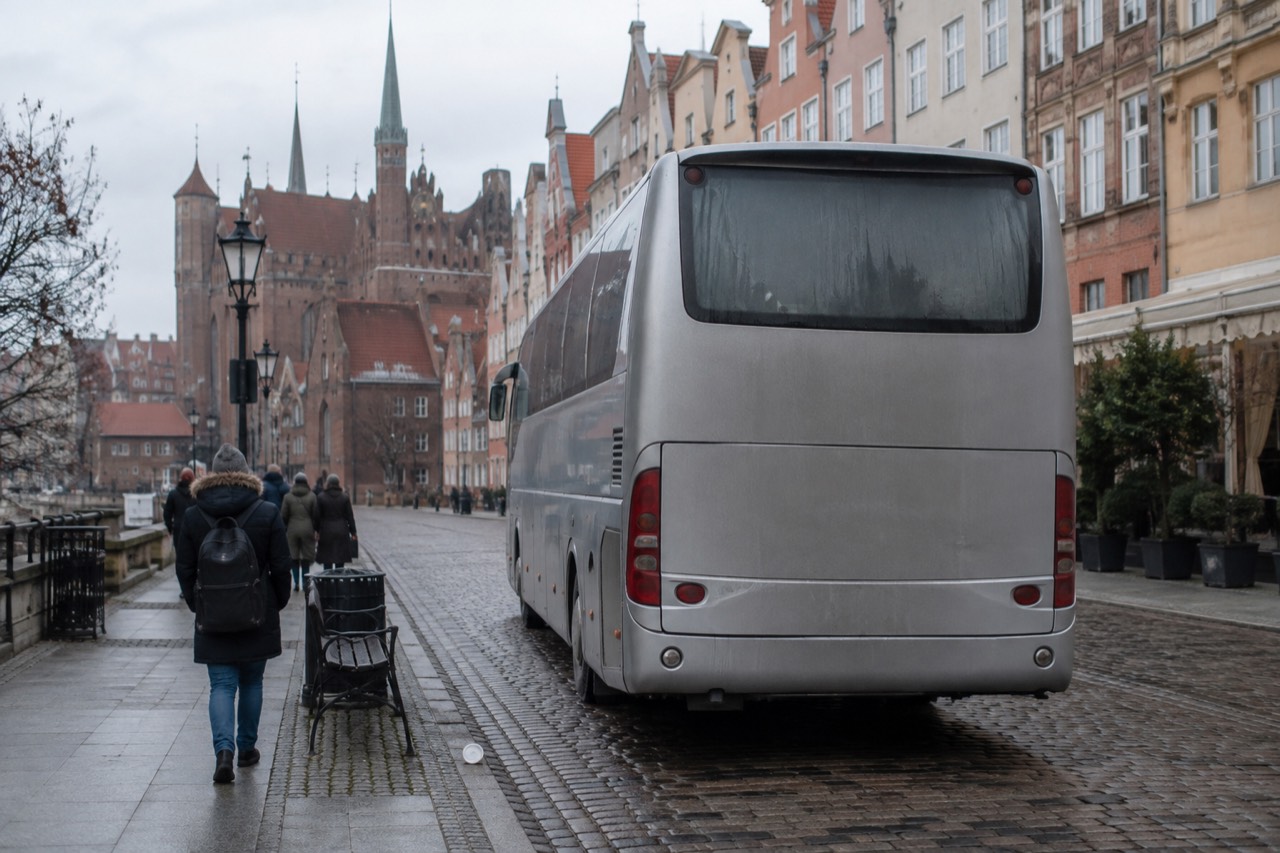
What Are The Disadvantages Of Taking A Package Tour?
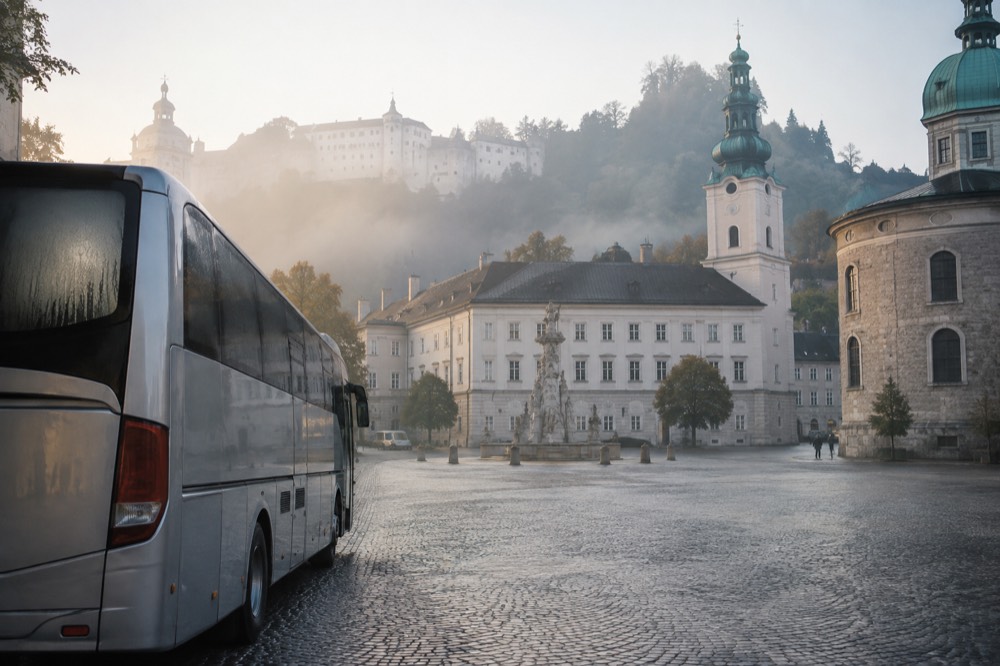
The main disadvantages of a package tour are fixed pacing, limited time in each stop, costs beyond the headline price, strict operator contract terms, and the loss of control over where you go and how long you stay. Across the 21 multi-country packages listed on this site, prices run from $2,110 to $5,265 per person, and not one includes the international flight. Answering the objection honestly matters more than selling around it, because a traveller who understands the downsides is the one who books the right tour instead of the cheapest one and regrets it.
That is the point of this article. A package tour is a good product that is routinely oversold, and the fastest way to lose money on one is to buy it believing something that was never true. The 21 packages on this site are escorted, multi-country trips of 12 to 16 days, the kind of product where the gap between expectation and reality is widest. Every figure below comes from those listings and from the operators' own published terms, not from a brochure.
Start with the honest framing: none of these disadvantages is a reason to avoid package tours. They are reasons to read the listing. A reader who knows the coach leaves at 8am, that the flight is separate, and that the operator requires proof of insurance on day one is a reader who enjoys the trip. The reader who discovers those facts on day one is the one who writes the one-star review.
The structure of the roster itself tells you where the friction lives. Eleven of the 21 packages run exactly 14 days, four run 12, two run 13, three run 15 and one runs 16. Twelve named operators appear across the roster, with Expat Explore running seven of the 21, more than any other. That concentration matters for the disadvantages below, because operator contract terms, not the itinerary, are where most of the avoidable pain sits.
What Do You Give Up In Control And Pace?
A package tour trades control for convenience: the itinerary, the departure time, the time spent in each city, and the choice of stops are all fixed before you book, and changing them mid-trip is not an option. You move at the group's pace rather than your own, which means lingering longer in a place you love or skipping one that bores you is simply not possible. Eleven of the 21 packages on this site run exactly 14 days, and those 14 days are allocated by the operator, not by you. If a city captivates you, the coach still leaves. If a city bores you, the coach still stays.
The pacing problem is structural, not accidental. A 14 day itinerary that crosses eight countries, which five of the 21 packages do, spends on average under two days per country. That is enough to see the headline sights and not enough to know a place. The widest itinerary on the roster crosses ten countries in 16 days. The narrowest crosses two. Both are legitimate products, but they serve different travellers, and the listing does not always make the difference obvious.
Early departures are the most common complaint on any coach tour, and the reason is arithmetic. A coach covering 200 kilometres before lunch has to leave by mid-morning at the latest. Multiply that across a fortnight and the routine becomes fixed: breakfast, bag on the coach, road, arrival, orientation walk, free time, dinner. Some people find that rhythm restful. Others find it exhausting by day four, and no listing can tell you which type you are.
The honest way to predict which type you are is to look at how you travel already. If you plan weekends in detail and enjoy a schedule, the fixed rhythm will feel like relief. If you routinely abandon plans mid-day because a market or a conversation looked more interesting, the same rhythm will feel like a cage by the second city. Neither instinct is wrong, but only one of them should buy this product category without hesitation.
There is also a subtler loss that rarely appears in reviews: the itinerary decides which countries you pass through versus actually stop in. The countries that appear most often across the 21 itineraries are Austria and Germany at 11 appearances each, Italy and Switzerland at 8, France at 7. A listing confirms a stop only where it confirms it, and a country name in the title is not a promise of a night there. Reading the day-by-day breakdown, not the headline, is the only way to know whether a country is a destination or a drive-through on a given package.
The honest counterweight: the structure is also the product. The same fixed itinerary that removes your control also removes the risk of a missed connection, a badly judged drive, or a hotel booked in the wrong district. The question is not whether the trade is bad, it is whether the trade suits you. Our guide to group size and daily pacing on Europe coach tours breaks that trade down in more depth, and the comparison between escorted, guided and independent Europe tours frames the same choice from the other side.
| What you control on an independent trip | What the operator controls on a package |
|---|---|
| Which cities you visit | The route and the country order |
| How many nights per city | Nights per stop, fixed before departure |
| Departure time each day | Coach departure, often early morning |
| Restaurant choice every night | Which meals are included and where |
| Whether you linger or move on | The day the coach leaves, with or without you |
What Are The Hidden Costs Beyond The Headline Price?
The headline price on every package listed here is a land-only price: it covers the bed, some meals and the internal transport, and it never covers the international flight, optional excursions, or several daily costs that sit outside the package. 19 of the 21 listings on this site put flights in their not-included block, and the Europe Escape listing states it in its own words: the price does not include international flights. No flight price is verified anywhere in this site's research, so none can be quoted here, but the flight is a real second cost you book yourself.
Meals are the next gap. Nineteen of the 21 packages include some meals, never all meals. In practice that usually means breakfast plus the occasional group dinner, which leaves a fortnight of lunches and most evenings to fund yourself in some of the most expensive cities in the world. A day in Switzerland or Scandinavia eats a bigger hole in a daily budget than a day in Serbia or Bulgaria, and the itinerary does not adjust for that.
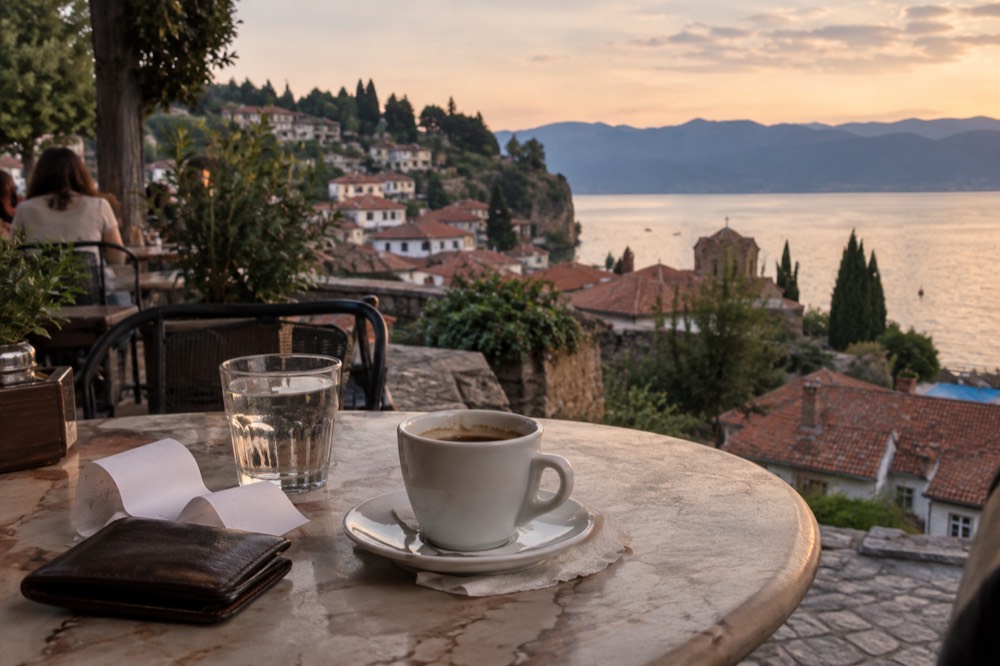
Optional excursions are the quietest cost of all. These are the paid add-ons offered during the trip, a museum visit here, a boat trip there, and they are genuinely optional. But a traveller who declines every one can end up with a different holiday from the one pictured, and the costs are not in the headline price. Our guide to optional excursions and hidden costs on Europe tours covers this in detail, and the Europe tour package cost breakdown shows how the pieces add up.
The roster's own numbers put the headline prices in context. Cost per day across the 21 packages runs from $151 at the cheapest end to $437 at the most expensive, with ten of the 21 sitting between $150 and $230 a day. That spread is the real story: two packages of the same length can differ by more than a thousand dollars per person, and the cheaper one is not always the better buy once the excluded costs are counted.
| Cost category | Included in the headline price? |
|---|---|
| Accommodation | Yes, on 19 of the 21 packages, every night |
| Some meals | Yes, on 19 of the 21, never all meals |
| Internal transport between countries | Yes, on 19 of the 21 |
| International flights | No, on none of the 21 |
| Optional excursions | No, paid separately if you take them |
| Free cancellation | No, zero of the 21 advertise it |
That last row is the one that surprises people most. Not one of the 21 packages on this site advertises free cancellation. Deposit and cancellation terms belong to each operator's own booking conditions, and they differ company to company. A package tour is a commitment in a way a self-booked trip of refundable components often is not, and that is a genuine disadvantage worth counting before you pay a deposit, not after.
The single supplement is another cost the headline price does not name. No single-supplement figure exists for any product on this roster, so no number can be printed here, but the concept is real: solo travellers on a joined-group departure typically pay extra to have a room to themselves, and that extra can change the arithmetic of a "cheap" package considerably. Solo travellers should ask the operator for the supplement before comparing prices, and our guide to single supplements and solo pricing on Europe tours explains what to ask for.
Europe Escape is the package most often bought on price, and it is a fair benchmark for what a land-only headline really means: 12 days from Rome, rated 4.5 across 878 reviews, from $2,715 per person, with the flight, most meals and any excursions all separate.
For a reader weighing that benchmark against the disadvantages above, the practical test is simple: take the headline price, add the flight you would actually book, add a fortnight of unincluded meals at the destinations on the route, and then compare the total against an independent trip through the same cities. Only that comparison is honest, and only you can run it.
Which Entry Rules And Operator Terms Catch People Out?
The disadvantages that cost real money are contractual and legal rather than experiential: travel insurance is mandatory with some operators, passports must meet validity rules stricter than the law requires, and Europe's border systems have changed recently enough that old advice is wrong. None of this appears in the brochure, and all of it can stop a trip before it starts.
Insurance is the clearest example, because the answer depends on which operator you book, and the differences are stark. Intrepid makes insurance mandatory, with a recommended minimum of US$200,000 per category of cover, and the policy number plus the insurer's 24-hour emergency number must be produced on day one or the traveller cannot join. G Adventures is equally firm: medical travel insurance including at least USD $200,000 of emergency evacuation and repatriation cover, proof requested on day one. Expat Explore makes insurance a condition of booking, with the same consequence: no proof, no embarkation on day one. Contiki, by contrast, calls insurance highly recommended and does not require it. These positions come from the operators' own published booking conditions, and the contrast is the whole point: the law does not require insurance of a visa-free visitor, but your operator's contract can, and on this roster three of the four named positions do. The Intrepid booking conditions and the Expat Explore terms are the documents to read before paying a deposit.
Passport validity has the same structure. Schengen law asks for a passport valid three months beyond departure and issued within the previous ten years, per the Schengen Borders Code. But Intrepid requires six months beyond the last date of travel, and Contiki requires a machine-readable passport valid six months after the trip return date. A passport that satisfies the law can still fail the operator's contract. Six months beyond return is the safe number.
Then there is the entry-rule layer. The EU's Entry/Exit System is fully operational at every external border crossing point, with manual passport stamping for short stays abolished, and registration records your photo and fingerprints on first crossing. ETIAS, the separate travel authorisation, is not yet in operation, no applications are being collected, and the EU expects it in the last quarter of 2026 without having announced a specific date, per the official ETIAS site. A London leg is outside all of this and needs the UK's own ETA, which costs GBP 20 and is needed by every traveller including children. None of this is a disadvantage of package tours specifically, but package tours concentrate border crossings: a Balkans loop that dips in and out of Croatia crosses an external Schengen border more than once, so registration can happen more than once on one trip.
The last contractual catch is age. Contiki's core range is 18 to 35, and the band is contractual, not marketing: the booking conditions state you must sit within the age range of the specific trip at its commencement. Intrepid runs an 18 to 35s themed range alongside its main programme. For every other operator on this roster, no average age or age limit figure is published, so a traveller with that question has to ask the operator directly rather than trust a forum number.
One more term worth reading before booking: group size. Every product on this roster states its group size on the listing rather than in a fixed number in the verified data, and only the semi-private Athens to Sarajevo departure carries a stated cap of 10 travellers. A reader who imagines a small van and finds a full coach has not been misled by the listing, but has misread it, and that gap between imagination and fine print is a disadvantage of buying any package at a distance.
When Is A Package Tour Still The Right Choice?
A package tour remains the right choice when the downside you care about least is the one it actually has: if you value a fixed, pre-paid structure and would rather trade freedom than risk, the disadvantages above are costs, not dealbreakers. The reader who dreads planning a ten-country logistics puzzle gets a working itinerary for a known price. The reader who wants to wake up without decisions gets exactly that, every morning, for two weeks.
The roster's shape supports this. Departure calendars across the 21 packages are deepest in September at 14 products and May at 14, with October at 10 and June at 12, which means the widest choice of itineraries sits in the months people most want to travel. February appears on none of the 21 calendars, a supply fact worth knowing if a winter trip is the plan. Eight of the 21 start and finish in the same city, which removes a second one-way flight, a genuine practical advantage over a self-planned point-to-point route.
There is also the matter of what the reviews actually say. Twenty of the 21 packages carry a rating between 4.0 and 5.0, and the most-reviewed product on the roster carries 878 reviews. That is a lot of people who bought the structure, lived the fixed mornings, paid the excluded costs, and still rated the trip well. The disadvantages in this article are real, but they are the disadvantages of a product that satisfies most of the people who buy it with their eyes open.
The comparison that matters is not package versus fantasy independent trip, it is package versus the trip you would actually organise yourself. On 14 Days Europe Tour Packages the listings state their own terms plainly, and the disadvantages above are all visible before you pay: the pacing is in the day-by-day itinerary, the excluded costs are in the inclusions block, the insurance and passport rules are in the booking conditions. The disadvantage that actually hurts people is not the package, it is booking one without reading it.
Classic Europe is a good example of the structure working as intended: 14 days from London, rated 4.6 across 309 reviews, from $3,185 per person, with the fixed round-trip shape that removes the most fragile piece of independent planning.
By contrast, a reader whose real priority is depth over breadth should treat the multi-country format itself as the disadvantage. Two countries in 14 days is available on this roster, and so is ten in 16. Neither is wrong. But the product category this site covers, four-figure escorted packages crossing most of a continent, is built for coverage, and that is the one trade no listing can undo.
Common Questions About Package Tour Disadvantages
What Are The Disadvantages Of Taking A Package Tour?
The main disadvantages are fixed pacing and limited time per stop, costs beyond the headline price such as flights and most meals, strict operator terms on insurance and passport validity, and the loss of control over the itinerary. None of the 21 packages on this site includes international flights or advertises free cancellation.
Do Package Tours Include Flights?
No. Every price on this site is a land-only price. 19 of the 21 listings put flights in their not-included block, and the other two list no air either. The long-haul ticket is always a separate cost you book yourself.
Is Travel Insurance Required On A Package Tour?
It depends on the operator. Intrepid and G Adventures make it mandatory, Expat Explore makes it a condition of booking, and Contiki only recommends it. Schengen law does not require insurance of visa-free visitors, but an operator's contract can, and proof is often requested on day one.
Are Package Tours Bad Value Compared To Independent Travel?
Not inherently. Cost per day across the 21 packages on this site runs from $151 to $437 per person, with ten of them between $150 and $230. The value question is whether the fixed structure suits you, not whether the number is high.
Can You Leave A Package Tour Early Or Extend Your Stay?
Departure and cancellation terms belong to each operator's booking conditions, and none of the 21 packages on this site advertises free cancellation. Any change to the booked itinerary has to be agreed with the operator before travel, not improvised mid-trip.